Drive Smart,
Stay Safe
Everyone can use a safe driving refresher now and then. As we grow older, there are simply more things to consider. We’ve got tips for drivers and riders.
CarFit
CarFit is an educational safety program developed in collaboration with AARP and the American Occupational Therapy Association. At CarFit, experts can help you dial in a more comfortable, safer ride.

Does Your Medication Affect Driving?
Prescription and over-the-counter medications can slow reflexes, blur vision, and cause drowsiness or dizziness. Protect your health and safety. Be aware of drugs you take that can affect how you perform on the road.
Example of Drugs that Affect Driving
Benzodiazepines for anxiety or insomnia
Insulin for diabetes
Antispasmodics for ulcers
Pain medicines and some anti-inflammatories
Antidepressants
Some high blood pressure medications & diuretics
Antibiotics for infections
Antihistamines for allergies
Cardiac glycosides for congestive heart failure
Safe Driving Tips
Cars carry an element of danger that never goes away. Here are some worthwhile things to consider and do before you take the wheel.

Check Yourself
Get regular vision checkups, take a driving refresher, and make sure your medication doesn’t affect your driving.

How Does Your Car Fit?
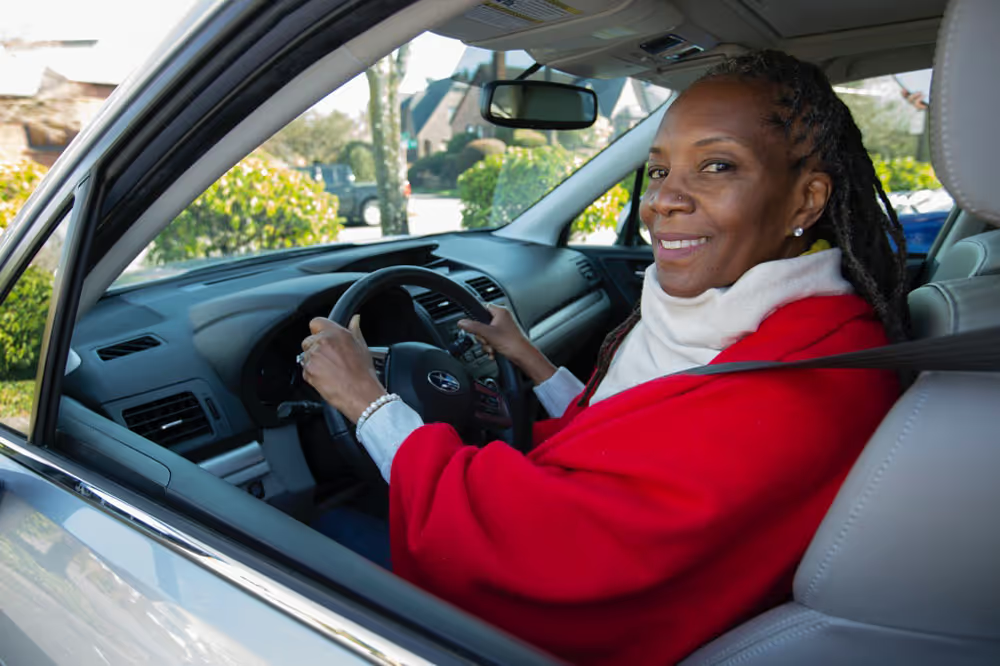
Sit up straight. Adjust your seat and mirrors for visibility and consider attending a CarFit event.

Consider Conditions
Drive in daylight and good weather when possible. Leave three seconds of space between other cars in front of you, leave six seconds in poor conditions.

Check Your Route
Limit your left-hand turns and always use a turn signal. Be aware of upcoming speed limit changes and pedestrian crossings.

Go Back to Basics
Plan your trip in advance. If possible, avoid busy highways. Look for well-lit streets and ample parking.
Share the Road
Scan the road for people who walk or bike. Don’t drive distracted or under the influence of alcohol.

Take Breaks
Take a break after every 90 minutes. Stretch to help relieve stiffness and fatigue
Motorcycles and Older Drivers: What You Need to Know
In addition to the standard dangers to be alert of and required gear, older riders have more to consider, like their strength, endurance, night vision, and possible arthritis reducing their agility.
Motorcyclists should follow all the same safety tips for cars. However, there are more things to think about before riding a motorcycle.
Motorcycle Safety Tips
Wear a helmet (required in Virginia)
Use a lighter weight motorcycle
Convert to a three-wheeler
Get better seating and sit upright


Keeping Your Younger Passengers Safe in the Car
All children under age eight must be properly restrained in a child safety seat or booster seat under Virginia state law. Children under the age of two are required to be in a rear-facing child safety seat. Rear-facing child safety seats must be secured in the back seat. Children cannot ride unrestrained in the cargo area.
Struggles on the Road?
Being self-aware is a crucial first step to safe driving. If you’re concerned, there are ways to get help.
